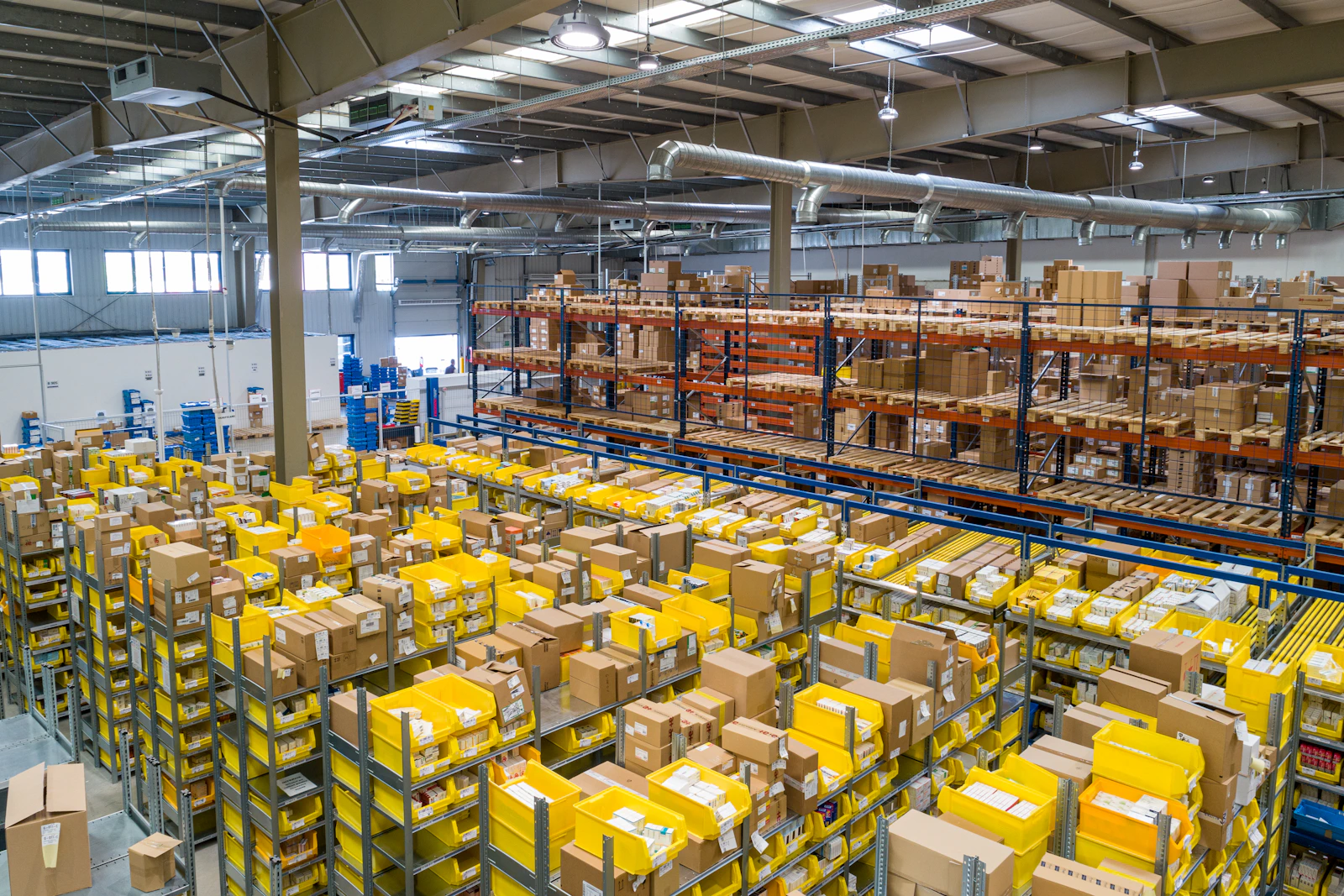
Courier and logistics companies play an essential role in modern commerce. They help retailers, manufacturers and individuals move documents, parcels and commercial shipments between cities and countries. In the Middle East, the sector has grown alongside e-commerce, international trade and demand for faster delivery options.
Aramex is one of the region's best-known logistics brands. Its services have included express delivery, freight forwarding, supply-chain solutions and support for e-commerce businesses. The company's regional experience illustrates how logistics providers adapt to a market shaped by varied geography, customs procedures and different customer expectations.
A regional network built around connections
Cross-border delivery requires more than moving a parcel from one address to another. Shipments pass through collection points, sorting hubs, transport partners and customs processes before reaching the recipient. A well-coordinated network can make these steps easier to track and help businesses plan delivery times with greater confidence.
For companies operating across the Middle East, local knowledge can be particularly important. Address formats, service availability, import rules and delivery expectations may differ by market. Logistics providers therefore combine regional operating experience with technology that helps customers follow shipments and manage exceptions.
The impact of e-commerce
Online shopping has increased expectations for clear delivery estimates, shipment tracking and convenient returns. Retailers need logistics partners that can handle changing order volumes while maintaining reliable communication with customers. Delivery options such as scheduled drop-offs, collection points and reverse logistics can also influence the overall shopping experience.
- Shipment visibility: tracking tools help customers understand where an order is in the delivery process.
- Flexible fulfilment: warehousing and order handling can help merchants serve different markets.
- Returns management: clear reverse-logistics processes can reduce friction for customers and sellers.
- Cross-border support: documentation and customs coordination help shipments move between jurisdictions.
Technology and customer expectations
Digital tools are increasingly central to courier operations. Route planning, barcode scanning, electronic proof of delivery and automated notifications can improve visibility throughout a shipment's journey. Data also helps operators identify delays, plan capacity and make better use of transport resources.
Technology does not remove every delivery challenge. Weather, traffic, customs checks and inaccurate address details can still affect transit times. Clear communication and realistic service commitments remain important parts of a dependable customer experience.
What businesses should consider when choosing a courier
Businesses comparing courier providers should look beyond headline delivery speeds. The right partner depends on shipment type, destination, budget and the level of support required.
- Coverage in the origin and destination markets.
- Published service levels and transparent delivery estimates.
- Tracking quality and access to customer support.
- Handling requirements for fragile, urgent or high-value shipments.
- Pricing clarity, including fuel, remote-area and customs-related charges.
The future of regional logistics
As online retail and regional trade continue to evolve, courier companies will need to balance speed, cost, resilience and sustainability. Better shipment data, more efficient route planning and close cooperation with merchants can help improve delivery performance. At the same time, customers will continue to value straightforward pricing, dependable updates and convenient options when plans change.
Aramex provides one example of how a logistics business can serve a region with diverse markets and international connections. For merchants and consumers alike, the strongest delivery experience comes from a network that combines operational expertise with reliable information and responsive service.